The power losses occurring in transformers are responsible for the generation of heat. The heat originates mainly from the windings and the core. The heat released is an undesirable phenomenon and gives rise to a number of design constraints and electrical effects.
A rise in the temperature of the windings directly affects their resistance. Changes in winding resistance are used to determine the average temperature rises, in order to establish compliance with the permissible temperatures for the insulation used.
The IEC85 recommendations define the thermal classes of insulation:
|
Thermal class
|
Average permissible insulation temp. in ˚C
|
Maximum permissible insulation temp. in ˚C
|
|
A
|
100
|
105
|
|
E
|
115
|
120
|
|
B
|
120
|
130
|
|
F
|
140
|
150
|
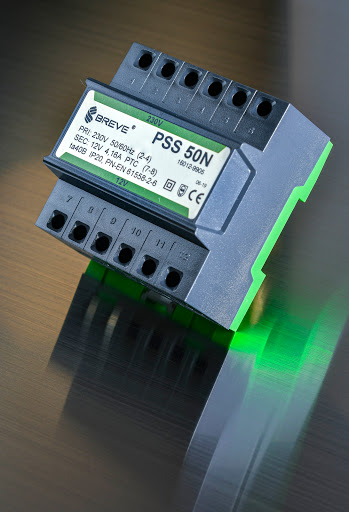
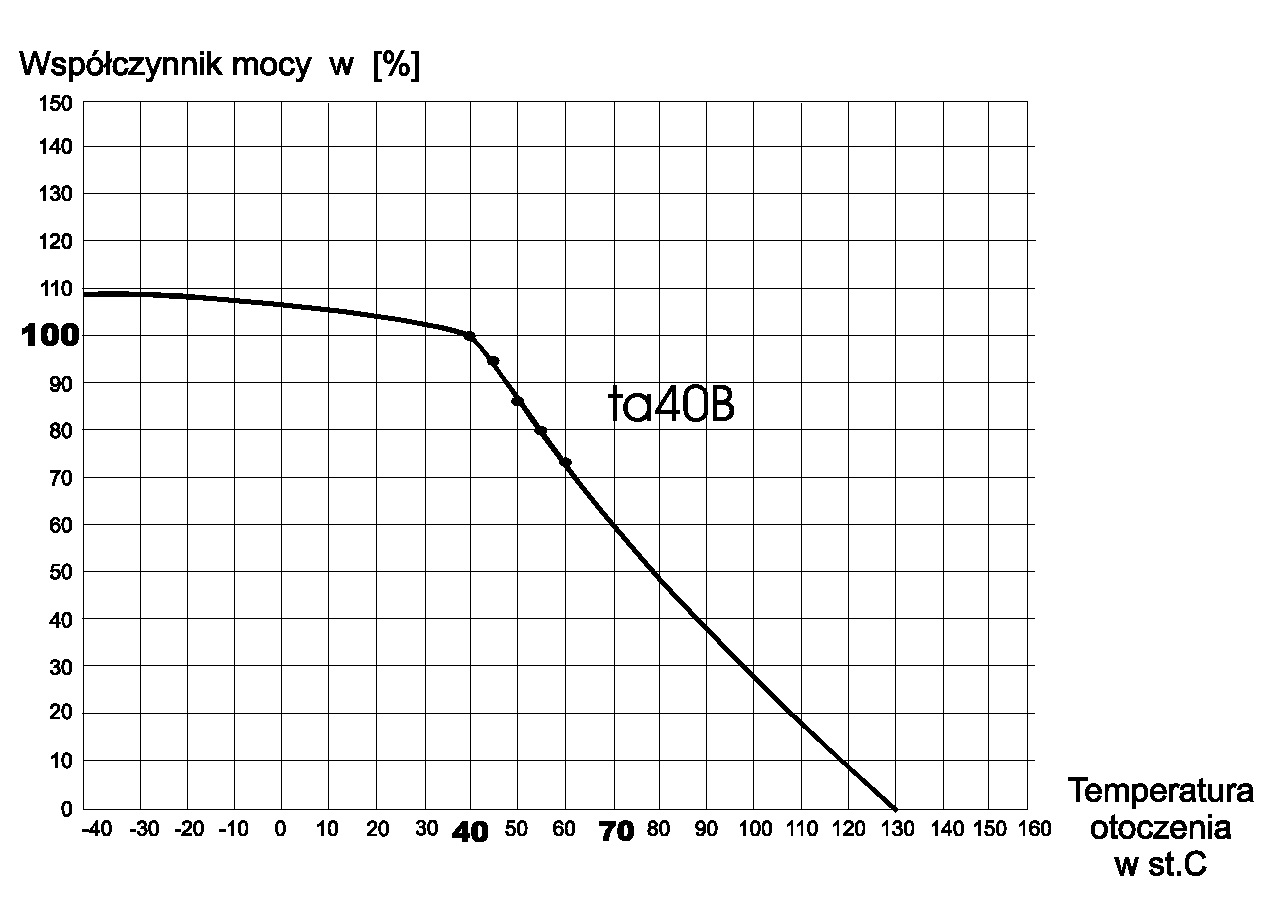
For Breve-Tufvassons transformers thermal insulation class “B” is normally assumed. It is stated on the rating plate next to “ta”, e.g. ta40B, which means: rated maximum ambient temperature 40˚C, thermal class B (max. 130˚C, avg. 120˚C).
The average temperature rise of the windings is determined from the following formula:
Δt = (R2 – R1)(x+t1)/R1 – (t2 – t1), where:
x = 234.5 for copper
Δt average temperature rise above t2
R1 resistance at the start of the test at ambient temperature t1
R2 resistance at the end of the test, once steady-state conditions have been reached
t1 ambient temperature of the transformer at the start of the test
t2 ambient temperature of the transformer at the end of the test
It is assumed that:
tavg = Δt + ta, where
tavg – average winding temperature
ta – ambient temperature
The rated power of transformers is determined under laboratory conditions with a resistive load, for continuous duty (unless stated otherwise), in an air environment at the rated temperature “ta” (given on the rating plate). Where the actual temperatures differ from the rated temperature “ta”, appropriate corrections to the load power are permitted in accordance with the chart below:
In small devices incorporating a transformer it is difficult to determine the actual ambient temperature. In such cases it is recommended that the device be assessed and the transformer selected on the basis of the heating of the windings while the transformer operates within the device at the “ta” specified for that device.
Krzysztof Majewski MSc Eng.
Sales Department Manager
Breve-Tufvassons